Port Infrastructure Makes the Grade in Latest Report, Though Threats Pose Dangers

As the U.S. negotiates trade agreements with partners across the globe, freight transportation networks serve as the backbone for our commercial activity and efficiency along the supply chain. America’s ports contribute nearly $3 trillion to the country’s GDP and support 22 million jobs.
In its latest Report Card for America’s Infrastructure, the American Society of Civil Engineers (ASCE) gave ports a “B” grade, the highest grade the category has received to date and the highest grade of the 18 categories assessed. The increase from a previous “B-” reflects the benefit of recent federal investment through the 2021 Infrastructure Investment and Jobs Act (IIJA), which directed $450 million annually to the Port Infrastructure Development Program (PIDP), nearly doubling previous funding levels.
Other factors also contributed to the grade. Despite the headwinds presented by the COVID-19 pandemic, ports proved to be resilient and handled more 20-foot equivalent units (TEUs) in 2022 than they did pre-pandemic. Ports also demonstrated adaptability to disruptions. This was evident following the Francis Scott Key Bridge collapse in 2024, when East Coast ports sufficiently pivoted to help accommodate ships diverted from the Port of Baltimore.
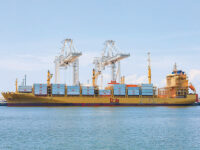
While the age of infrastructure varies, ports continue to invest in capacity enhancements. Crane upgrades are a focus here; 25 of the biggest container ports in the country operated 570 ship-to-shore (STS) gantry cranes in 2024, helping to better load and unload the largest cargo ships.
A combination of federal, state, local, and private sector funding supports port operations and infrastructure. Some federal support is available through the Harbor Maintenance Trust Fund (HMTF) for maintenance dredging, though it requires vigilance to protect and properly expend during the Congressional appropriations process. The IIJA directed $450 million annually over five years to infrastructure improvements through PIDP. Over 1,000 projects for ports and inland waterways have been announced since 2021, helping to narrow the funding gap. However, the American Association of Port Authorities estimates that PIDP is oversubscribed by a rate of 4.5 to 1, meaning for every one dollar available, ports applied for four and a half dollars. Through 2033, the total infrastructure needs are nearly $38 billion for ports, according to ASCE’s Bridging the Gap report.
That is why Congress, should follow President Trump’s emphasis on revitalizing our nation’s maritime industrial base and at a minimum maintain funding levels for the PIDP. The federal government should also tap into $10 billion worth of existing resources within the HMTF needed for safe and speedy freight transport. Every year, enough Harbor Maintenance Tax revenue is collected, and interest is accrued, to the HMTF to meet the nation’s annual authorized harbor maintenance needs for harbors of all sizes if appropriated. Congress and the Trump Administration should do so and meet the promises made in the Water Resources Development Act of 2020 by gradually increasing allocations from the HMTF each year to achieve full drawdown.
Although some ports have initiated training programs, finding qualified workers and teaching them how to operate and maintain modernized cargo handling equipment remains a challenge. Ports rely on huge amounts of energy, landside transportation, and water resources to function. Natural disasters and extreme weather can impact these systems and disrupt port operations. Expected sea level rise and fluctuations of water levels will likely affect port operations for years to come. Innovations, particularly equipment electrification, are contributing to cleaner and more efficient energy use practices.
U.S. ports remain vital components of both the national and global economies. Though overall in a good position to serve businesses and consumers, more can and should be done to address continued needs. We recognize the importance of sustained investment, alignment of new technologies for greater effectiveness, better planning and asset management practices, and enhanced integration with other infrastructure sectors. But we can’t do it alone. We need wise and long-term infrastructure funding and a willing public that understands those investments pay exponential dividends.